Gentle Ram Embroidery Design Review
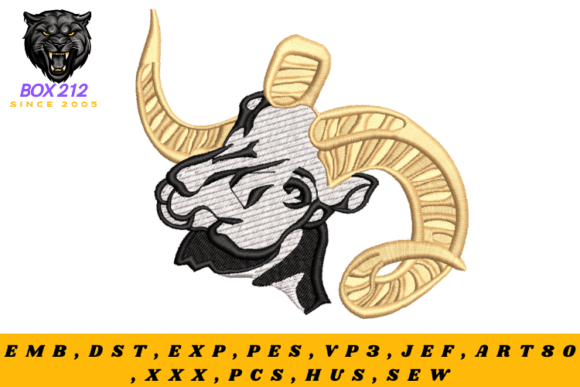
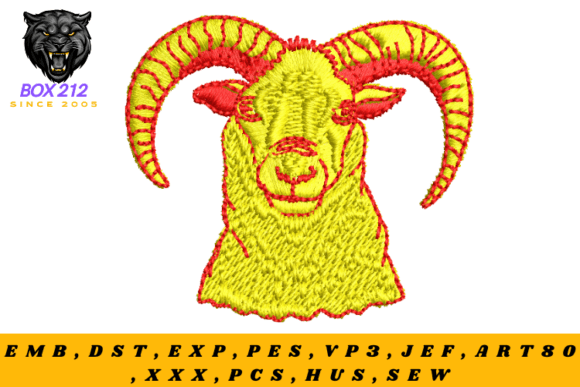
As an embroidery designer who has spent countless weekends behind a craft fair table, I know that the difference between a browser and a buyer often comes down to visual impact and perceived quality. When I first loaded the Gentle Ram Digital Embroidery Design into my software, I was looking for more than just cute aesthetics. I was evaluating its potential as a high-converting craft fair product. This design, categorized under Farm Animals, promises to add a touch of charm and innocence to creations, featuring a sweet and delicate ram with intricate detailing. But does it hold up under the harsh fluorescent lights of a convention center or the natural light of an outdoor market? Let’s break it down from a producer’s perspective.
First Impressions and Visual Appeal
The initial glance at this machine embroidery design suggests a soft, rustic elegance rather than a cartoonish vibe. The description highlights "intricate detailing," which is a double-edged sword in commercial Embroidery. On one hand, detail signals premium quality and justifies a higher price point for your handmade product. On the other, it requires precise execution. The ram appears gentle and approachable, making it ideal for baby items, nursery decor, or farmhouse-style kitchen goods. It feels balanced—neither too minimal to be ignored nor so dense that it becomes a stiff patch on soft fabric. For an Etsy seller or boutique maker, this aesthetic aligns perfectly with current trends favoring pastoral and cottage-core themes.
Product Versatility for Craft Fairs
When planning my booth inventory, I always ask: where does this design shine? The Gentle Ram Digital Embroidery Design is remarkably versatile. Here is how it performs across common small shop product categories:
- Tote Bags and Market Bags: This is perhaps the strongest application. A medium-to-large hoop placement on a canvas tote creates an immediate focal point. The ram’s silhouette is distinct enough to be recognized from three feet away, which is crucial for drawing customers to your table.
- Apron Embroidery: Placed on the bib or pocket, this design adds a whimsical touch to functional kitchen wear. It appeals to home cooks who appreciate artisanal details.
- Tea Towel Embroidery: For kitchen textiles, the design works well if scaled correctly. However, you must consider the fabric texture. Terrycloth can swallow fine details, so this design might perform better on smooth linen or cotton blends where the "intricate detailing" remains visible.
- Embroidered Patches: If you offer iron-on or sew-on patches, this design could be a bestseller. Patches allow customers to customize their own jackets or bags, extending the life of your design assets.
- Caps and Hats: Exercise caution here. Curved surfaces distort designs. Unless the ram is simplified or scaled down significantly, the intricate details may bunch up. I recommend testing a smaller version on a structured cap before committing to batch production.
Production Practicality and Batch Efficiency
For those of us running a commercial embroidery side hustle, time is money. The key question is repeatability. Does this digital embroidery file run cleanly without constant thread breaks or trimming? While I cannot verify the exact stitch count or file format from the description alone, the promise of "delicate" features suggests a need for high-quality thread and proper tension settings.
When producing for a fair, you want designs that look expensive but are efficient to stitch. If the stitch density is too high, the fabric may pucker, requiring extensive stabilizing and slowing down your workflow. Conversely, if it is too light, it may look cheap. I advise running a test stitch-out on your intended final fabric. Check for gaps in the color transitions and ensure the thread colors provide enough contrast against your base material. A dark navy ram on a black tote will vanish; a charcoal or brown ram on cream canvas will pop.
Technical Considerations for Best Results
To ensure your finished product meets professional standards, keep these technical notes in mind:
- Stabilizer Choice: Given the intricate nature of the ram, use a cut-away stabilizer for stretchy fabrics like jersey or knits, and a tear-away for stable wovens like cotton twill. This prevents distortion after washing.
- Hoop Size: Confirm the required hoop size before purchasing. Ensure your machine can accommodate the dimensions needed to capture the full detail without resizing, which can alter stitch density.
- Fabric Texture: Avoid highly textured fabrics like heavy wool or looped terrycloth for the main body of the ram. These textures can obscure the fine lines of the face and horns, reducing the design's clarity.
- Small Lettering: If the design includes any text, inspect it closely. Small lettering often fails to stitch out clearly on textured materials. If present, consider removing it or replacing it with a separate, simpler font for better readability.
Marketing and Customer Engagement
Beyond the stitching, how does this design sell? In a crowded marketplace, the Gentle Ram Digital Embroidery Design offers a narrative. It speaks to innocence, nature, and handmade care. When creating your printable mockup or online listings, showcase the design on lifestyle products. Show the ram on a swaddling blanket for a baby shower gift idea, or on a tote bag filled with fresh flowers for a spring market vibe.
Visual appeal drives engagement. Customers are drawn to items that feel personal and unique. By using this design, you signal that your brand values delicacy and craftsmanship. It strengthens brand consistency if your shop focuses on rustic, organic, or family-oriented themes. Furthermore, because it is a digital embroidery file, you have the flexibility to experiment with different thread colors to match seasonal trends—pastels for Easter, earth tones for autumn harvest fairs.
Final Designer Notes
Before you commit to producing fifty units for your next event, take these final steps. First, always check the commercial licensing terms included with the embroidery file. Ensure you are permitted to sell finished physical goods made with this design. Second, create at least one real-world sample. Photos of digital mockups are helpful, but nothing beats holding the actual stitched item to judge the hand-feel and drape. Compare how the design looks on white versus colored fabric to determine your best-selling SKU.
The Gentle Ram Digital Embroidery Design has strong potential as a staple in your craft fair product lineup. Its blend of charm and detail allows it to stand out in the Farm Animals category without feeling generic. With careful attention to fabric choice, stabilizer support, and thread contrast, this design can become a reliable revenue generator for your handmade business. Treat it with the precision it deserves, and it will reward you with delighted customers and consistent sales.