Review: Baby Christmas Reindeer Embroidery Design
As a designer who has spent countless hours digitizing patterns and troubleshooting machine quirks, I approach every new machine embroidery design with a mix of curiosity and skepticism. We have all been there: downloading a cute file only to find it turns into a bird’s nest of thread breaks and puckering on the first test run. Recently, I evaluated the Baby Christmas Reindeer Embroidery design to see if it holds up under the scrutiny of real-world production. This isn’t just about whether it looks cute on a screen; it is about how it performs when you are trying to meet a deadline for a holiday client or stock your Etsy shop with high-quality inventory.
First Impressions and Visual Personality
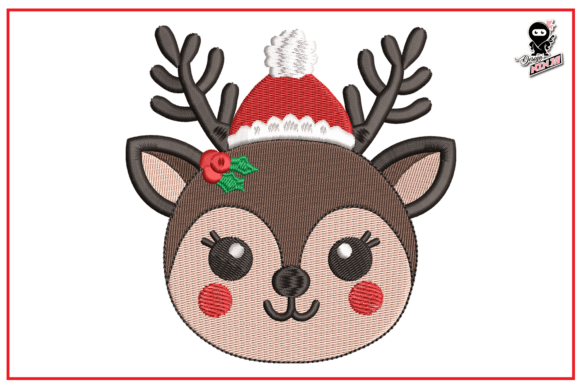
The moment I loaded the file into my editing software, the charm of the Baby Christmas Reindeer Embroidery was evident. It strikes a delicate balance between whimsical and clean. The lines are smooth, avoiding the jagged edges that often plague lower-quality digital files. For a holiday-themed piece, it avoids being overly cluttered, which is crucial for maintaining stitching clarity. The mood is soft and inviting, making it an ideal candidate for baby items, nursery decor, or gentle holiday gifts rather than bold, aggressive statement pieces.
What stands out immediately is the layout. It feels balanced, with enough negative space to let the stitches breathe. This is vital because dense stitch areas can cause fabric distortion, especially on lighter materials. The visual personality suggests warmth and nostalgia, fitting perfectly into the current trend of cozy, handmade aesthetics that customers crave during the winter season.
Real-World Application: The Tote Bag Test
To truly understand the value of this design, I moved beyond the monitor and into the studio. My test case was a custom embroidered tote bag intended for a local boutique’s holiday gift set. I chose a medium-weight canvas, a popular choice for tote bag design projects due to its durability and ease of stitching.
I selected a rich forest green and a warm tan for the thread colors, aiming for a classic, earthy holiday palette. As the machine began its work, I watched closely for any signs of pulling or registration issues. The Baby Christmas Reindeer Embroidery performed admirably. The transition between the fill stitch areas and the outlining satin stitch borders was seamless. There were no unnecessary jumps or loose threads that required excessive trimming post-production.
This experience highlighted why this design is a strong asset for Etsy sellers and craft business owners. It stitches out cleanly, reducing the time spent on cleanup and increasing the perceived value of the finished product. A customer receiving a tote with crisp, well-defined embroidery is far more likely to leave a positive review and return for future purchases.
Versatility Across Product Lines
Beyond tote bags, this design shows promise in several other categories. For sweatshirt embroidery, the scale of the reindeer works well on the left chest or as a larger centerpiece on the back. The simplicity of the shape ensures it remains recognizable even from a distance. For baby embroidery projects, such as onesies or burp cloths, the soft curves of the design are safe and appealing. However, when working with stretchy fabrics like jersey knits, proper stabilization is non-negotiable to prevent the design from warping after washing.
It also translates well to smaller accessories. An embroidered patch featuring this reindeer could be a hit at craft fairs. Patches allow for experimentation with different backing materials and thread textures without risking a garment. Additionally, using this motif on kitchen towels or aprons adds a touch of festive cheer without overwhelming the item’s primary function.
Technical Considerations and Potential Pitfalls
While the design is robust, it is not without its constraints. Designers must be mindful of hoop size limitations. If you are working with a small 4x4 hoop, ensure the design fits comfortably with adequate margin for hooping. Crowding the edges can lead to missed stitches or hoop burns.
Another critical factor is stitch density. Although this design appears moderate, always check the density settings in your software. On thin fabrics like silk or lightweight cotton, high density can cause puckering. In such cases, using a cut-away stabilizer is advisable to provide long-term support. Conversely, on thick materials like denim or fleece, a tear-away stabilizer might suffice, but testing is essential.
Dark fabrics present another challenge. If you are stitching on black or navy, ensure your thread contrast is high. A dark brown reindeer on a black shirt will vanish. Use lighter shades or metallic threads to make the Baby Christmas Reindeer Embroidery pop. Also, be cautious with textured fabrics like terry cloth or corduroy. The intricate details may get lost in the pile, so consider simplifying the design or using applique techniques if the file supports it.
Commercial Viability and Branding
For those using this as a commercial embroidery asset, consistency is key. This design helps build brand recognition because of its distinct, friendly character. When used across a line of products—such as matching hats and scarves—it creates a cohesive collection. This coherence boosts customer trust and enhances the professional appearance of your small shop product offerings.
However, before selling any personalized gift or custom apparel featuring this design, verify the licensing terms. Not all digital embroidery file providers grant commercial rights. Ensure you have the appropriate license to sell finished items. This step protects your business from legal issues and respects the creator’s intellectual property.
Practical Designer Notes for Success
To maximize the potential of the Baby Christmas Reindeer Embroidery, follow these practical steps:
- Test on Scrap Fabric: Always run a test stitch-out on the same type of fabric you plan to use for the final product. This reveals any tension issues or color mismatches.
- Check Thread Contrast: View your design in black and white mode to ensure the shapes remain distinct without color reliance. This helps in planning monochrome projects.
- Inspect Small Details: Zoom in on the eyes and antlers. If they are too small, they may not stitch out clearly on certain machines. Adjust the scale if necessary.
- Use Proper Stabilizer: Match the stabilizer to the fabric weight. Wrong stabilization is the number one cause of poor embroidery quality.
- Verify File Formats: Ensure the embroidery file format matches your machine’s requirements (e.g., PES, DST, JEF). Convert if needed using reliable software.
In conclusion, the Baby Christmas Reindeer Embroidery is a thoughtful, well-constructed design that serves both hobbyists and professionals well. It brings a touch of holiday magic to handmade products while maintaining the technical integrity required for efficient production. Whether you are creating a single personalized gift for a family member or stocking your online store with festive design assets, this reindeer offers a reliable and charming option. Just remember to respect the material constraints and always prioritize testing to ensure your final result matches your creative vision.