Review: Swirls Machine Embroidery Design for Craft Fairs
As an embroidery designer who has spent countless weekends behind a booth table, I know that not every machine embroidery design is created equal when it comes to driving sales. Some designs look stunning on a screen but fall flat in person. Others are too complex to produce in bulk. Today, I am reviewing the Swirls Machine Embroidery Design with a specific focus on its viability for craft fair products and handmade market goods. This evaluation is written for fellow Etsy sellers, boutique makers, and creative entrepreneurs who need to know if this asset will translate into profit.
First Impressions and Aesthetic Appeal
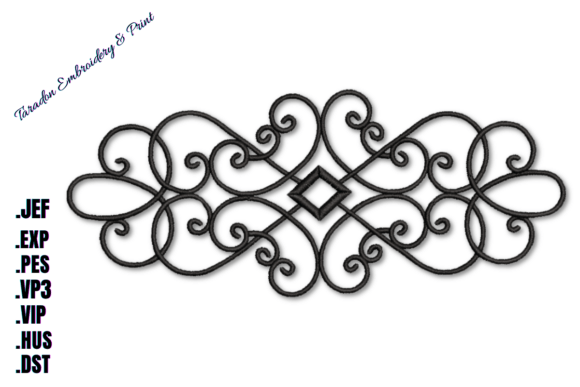
The product description highlights a "harmonious array of swirling patterns" that are "seamlessly intertwined." Visually, this suggests a design that leans toward elegance and dynamic movement rather than rigid geometry or cartoonish cuteness. For a seller in the House category, this is promising. The aesthetic feels versatile enough to fit into modern farmhouse, minimalist, or soft decorative styles. It does not scream "festive" or "funny," which means it has a longer shelf life than seasonal items. The gracefulness implied by the description suggests a premium feel, which is crucial for justifying higher price points on handmade items.
When I imagine this embroidery file stitched out, I see fluid lines that catch the light differently depending on the thread sheen. This dynamic quality is essential for catching a customer’s eye as they walk past a busy booth. It is not static; it invites the viewer to trace the lines with their eyes, creating a moment of engagement that can lead to a sale.
Product Versatility for the Craft Fair Booth
The true test of any digital embroidery file is its adaptability. Here is how I envision using the Swirls Machine Embroidery Design across various popular craft fair products:
- Tote Bag Design: This is likely the strongest contender. A large-scale version of the swirls placed centrally on a canvas tote creates an immediate focal point. It transforms a basic bag into a statement piece.
- Apron Embroidery: Placing the design on the bib or the lower corner of a linen apron adds a touch of sophistication. It appeals to customers looking for "chef chic" or high-end kitchen gifts.
- Tea Towel Embroidery: For kitchen textiles, a smaller, simplified version of the swirls works well. However, one must be cautious about stitch density on terry cloth or waffle weave fabrics.
- Embroidered Patch: If the design holds up at a small scale, it could be sold as iron-on patches. This allows customers to customize their own jackets or bags, adding value to your small shop product lineup.
- Pillow Covers: A monochromatic swirl design on a neutral pillow cover screams "luxury home decor." It fits perfectly within the House product type and appeals to buyers looking to refresh their living spaces.
I would avoid using this specific design on caps unless the swirls are significantly scaled down and simplified. Curved surfaces distort complex, intertwined patterns, potentially ruining the graceful composition described in the product details.
Production Practicality and Batch Selling
For those of us running a commercial embroidery business, time is money. The description mentions that each swirl "flows effortlessly," which hopefully translates to efficient machine run times. However, "intertwined" patterns can sometimes mean frequent trims or jump stitches if the digitizing is not optimized. Before committing to a large batch of finished products, you must check the stitch path.
Photography is another critical factor. This design should photograph beautifully for your Etsy listings. The curves provide natural leading lines in photos, and the texture of the threads will add depth to printable mockups and real-life images. A design that looks good in photos sells better online, making this a strong asset for digital sellers who also offer physical goods.
Careful-Use Notes and Technical Considerations
While the aesthetic is strong, there are technical hurdles to consider. Since the description does not provide exact stitch count, hoop size, or file formats, you must verify these details before production. Here are my professional warnings:
- Stitch Density: Intertwined swirls can become dense. On lightweight fabrics like silk or thin cotton, this may cause puckering. Always use the appropriate stabilizer, such as a cut-away for stretchy fabrics or a tear-away for stable woven materials.
- Fabric Texture: Avoid highly textured towels where small details might get lost. The "graceful composition" relies on clear lines, which can be obscured by bulky loops in terry cloth.
- Thread Contrast: To maximize visual appeal, choose thread colors that contrast well with the fabric. A metallic thread on dark fabric could make the swirls pop, enhancing the premium look.
- Small Details: If the design includes tiny elements within the swirls, ensure they do not collapse during stitching. Test on scrap fabric first.
Enhancing Brand Consistency and Buyer Engagement
Using a cohesive design language helps build brand recognition. If your brand identity is centered on elegance, flow, and natural beauty, the Swirls Machine Embroidery Design aligns perfectly. It reinforces a narrative of quality and attention to detail. When customers see this design repeated across different items—such as a matching tote and apron set—it encourages bundle purchases.
Furthermore, this design supports strong booth display strength. Items with bold, recognizable patterns stand out from a distance. The dynamic nature of the swirls creates movement in your display, drawing people in. Once they are at the table, the tactile quality of the embroidery invites them to touch the product, increasing the likelihood of a sale.
Final Designer Verdict
The Swirls Machine Embroidery Design appears to be a high-potential asset for craft fair sellers and handmade shop owners. Its versatility across tote bags, aprons, and home decor items makes it a valuable addition to your design assets library. However, success depends on execution. You must confirm the commercial licensing terms, test the stitch density on your specific fabrics, and choose thread colors that highlight the design's graceful flow.
Do not assume the file is ready for all applications. Create at least one real mockup on your intended product material. Check the spacing and ensure the intertwining lines do not create unnecessary bulk. If managed correctly, this design can elevate your small shop product line, offering a blend of artistic flair and commercial viability. For the Etsy seller or weekend warrior, this is a design worth testing, provided you respect the technical limitations of your machine and materials.