Review: The Horse Digital Embroidery Design
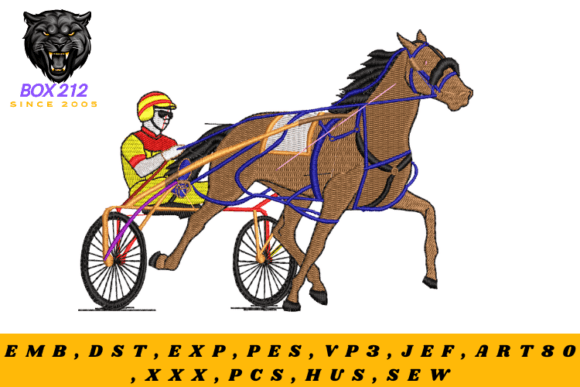
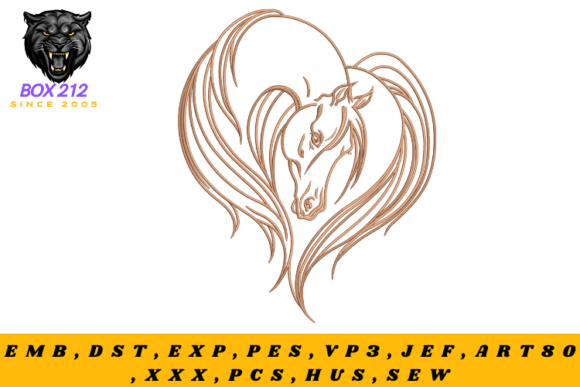
As an embroidery designer who has spent years digitizing patterns for small businesses and boutique brands, I approach every new digital embroidery file with a critical eye. It is not just about whether the image looks pretty on a screen; it is about how that design translates into thread, how it holds up on fabric, and most importantly, how it serves the brand identity of the client using it. Recently, I had the opportunity to review The Horse Digital Embroidery Design, a pattern that promises to celebrate the strength and elegance of nature through a beautifully detailed horse in a dynamic pose.
For small business owners, Etsy sellers, and apparel decorators, finding the right asset is crucial. You need designs that radiate grace and power without becoming a nightmare to stitch out. Here is my professional assessment of how this design performs in real-world commercial applications.
First Impressions: Visual Personality and Brand Fit
The first thing that strikes you about The Horse Digital Embroidery Design is its balance between detail and clarity. In the world of machine embroidery design, complexity can often be a double-edged sword. Too much detail gets lost in the thread, while too little can look amateurish. This pattern manages to capture the dynamic energy of the animal while maintaining clean lines that are essential for professional results.
Visually, the design feels both elegant and bold. It does not lean too heavily into cartoonish territory, which makes it suitable for premium branding, nor is it so hyper-realistic that it requires thousands of stitches to render properly. For brands in the equestrian sector, outdoor lifestyle markets, or rustic boutique spaces, this aesthetic hits the sweet spot. It communicates a sense of freedom and natural beauty, which can significantly enhance the perceived value of a handmade product.
Real-World Applications for Small Business Merch
When I evaluate a design for business use, I immediately visualize it on various substrates. The Horse Digital Embroidery Design is versatile, but it shines brightest in specific applications where its dynamic pose can be fully appreciated.
- Embroidered Patches: This is perhaps the strongest use case. A patch allows for a higher stitch count and better definition than direct-to-garment embroidery on thin fabrics. This design would make a stunning chest patch for denim jackets or a branded badge for tote bags.
- Apron Embroidery: For bakeries, florists, or craft studios that want to project an image of artisanal quality, placing this design on the bib of a heavy canvas apron adds a touch of sophistication. It elevates staff uniforms from mere workwear to part of the brand experience.
- Tote Bag Design: Canvas totes are a staple for eco-conscious brands. The bold lines of the horse stand out well against the textured weave of canvas, making it an excellent choice for customer gifts or retail merchandise.
- Cap Embroidery: While possible, this requires careful scaling. The dynamic pose needs enough width to avoid looking cramped on a curved cap front. It works best as a side-panel accent rather than a full-front logo if the design is wide.
For those creating custom apparel or small business merch, this design can serve as a central focal point. It is not just a logo; it is a statement piece that draws the eye and invites conversation, which is vital for buyer engagement at craft fairs or online marketplaces.
Technical Considerations and Production Notes
While the artistic merit of The Horse Digital Embroidery Design is high, successful production depends on technical execution. As a designer, I always advise checking the specific file details before running a full batch. Since the description highlights "beautifully detailed" elements, you must pay close attention to stitch density.
If the density is too high, you risk puckering lightweight fabrics or causing needle breaks. If it is too low, the underlying fabric might show through, ruining the crispness of the image. Always test the design on the actual fabric you intend to use. For dark uniforms or navy blues, ensure you have a solid underlay or plan your thread colors to provide sufficient contrast. A white or light gray outline can help the horse pop against dark backgrounds.
Another critical factor is the hoop size. Ensure the design fits comfortably within your machine’s hoop without requiring excessive re-hooping, which can lead to alignment issues. For smaller items like pocket logos or sleeve details, you may need to resize the file. However, be cautious: shrinking a detailed design too much can cause stitches to merge, losing the definition of the horse’s features. Always create a printable mockup at the intended size to check for legibility before stitching.
Impact on Brand Identity and Customer Trust
In the competitive landscape of handmade goods and boutique retail, consistency is key. Using a high-quality embroidery file like this one contributes to a cohesive brand identity. When customers see a well-executed embroidered design on a product, it signals professionalism and attention to detail. It builds trust.
For businesses in the equine industry, such as riding schools, tack shops, or equestrian event organizers, this design reinforces their niche authority. For broader lifestyle brands, it adds a layer of narrative—connecting the product to themes of nature, strength, and elegance. This emotional connection can drive higher conversion rates and foster loyalty among buyers who value aesthetic quality.
Practical Designer Advice for Commercial Use
Before integrating The Horse Digital Embroidery Design into your commercial embroidery workflow, follow these steps to ensure a flawless finished product:
- Test in Black and White: Stitch out a monochrome version first. If the design loses its shape without color variation, you may need to adjust thread choices or add satin stitch borders to define edges.
- Check Stabilizer Compatibility: Use a cut-away stabilizer for stretchy fabrics like jersey tees to prevent distortion over time. For woven fabrics like twill or canvas, a tear-away may suffice, but test for residue.
- Verify Licensing: Always confirm the commercial licensing terms of the digital embroidery file. Ensure you have the rights to use the design on products for sale, not just for personal projects.
- Inspect Spacing: Look closely at the digitizing. Are there long jumps that need trimming? Is the underlay sufficient to anchor the design? A clean backside means a cleaner front side.
- Compare with Design Assets: Place the stitched sample next to your other branding materials. Does it complement your existing logo and color palette? Visual consistency strengthens brand recognition.
In conclusion, The Horse Digital Embroidery Design is a strong contender for businesses looking to add a touch of natural elegance to their merchandise. It bridges the gap between artistic expression and commercial viability. By respecting the technical requirements of embroidery and understanding where this design fits best within your product line, you can leverage it to create standout items that resonate with your audience. Whether used on a rugged work shirt or a delicate tote bag, this design has the potential to elevate your brand’s visual presence and deliver a premium feel that customers appreciate.