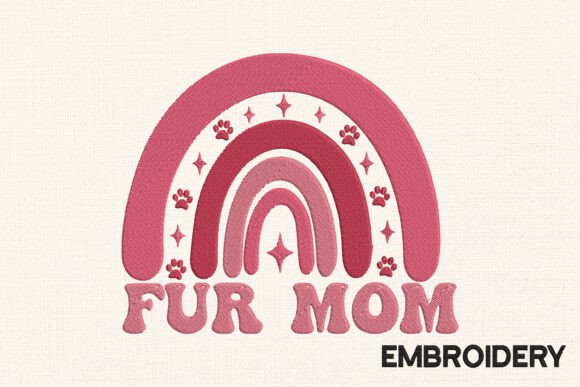
Review: Valentine Fur Mom Embroidery Design
As a designer who has spent countless hours staring at digitized paths and troubleshooting thread breaks, I approach every new machine embroidery design with a mix of curiosity and skepticism. We have all seen the flood of seasonal graphics that look charming on a screen but turn into a tangled mess under the needle. This season, I took a closer look at the Valentine Fur Mom Embroidery Design to see if it holds up in real-world production. For those of us running a craft business or selling on Etsy, the difference between a bestseller and a return often comes down to stitch quality and visual clarity.
First Impressions and Visual Personality
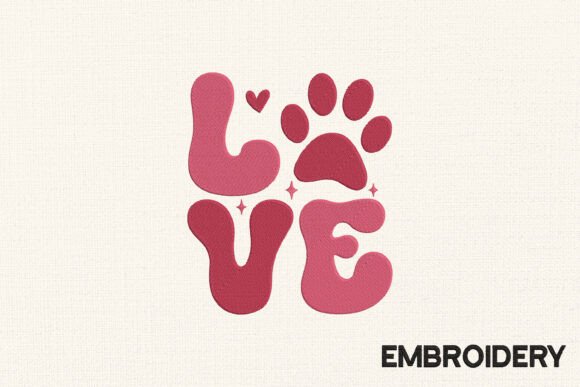
The first thing that strikes you about this design is its warmth. It does not rely on overly complex shading or intricate micro-details that often fail on home machines. Instead, it leans into bold shapes and clear lines, which is exactly what you want for a holiday embroidery piece that needs to be read from a distance. The theme is specific yet universal, tapping into the growing market of pet owners who consider their animals family. This emotional connection is powerful for sales.
Visually, the layout feels balanced. Whether it uses a combination of satin stitch for text and fill stitch for graphical elements, the transition appears smooth. For a reviewer, this suggests that the digitizer considered how thread lays on fabric. A cluttered design creates bulk; a well-spaced one breathes. This design seems to prioritize readability, making it an excellent candidate for items where the message is the hero.
Real-World Application: The Tote Bag Test
To truly evaluate an embroidery file, you have to imagine it on a product. I visualized this design on a heavy canvas tote bag design. Canvas is unforgiving; it shows every gap in coverage and every puckering issue. If this design works here, it will work almost anywhere.
In this scenario, the bold nature of the Valentine Fur Mom Embroidery Design shines. On a natural-colored tote, using deep reds and crisp whites for the thread colors would create high contrast. The design’s structure suggests it would hold up well against the coarse fabric texture of canvas without getting lost. For an Etsy seller, this is a quick win. It transforms a blank commodity into a personalized gift that speaks directly to a niche audience. It is not just a bag; it is a statement piece for dog moms and cat lovers alike.
Apparel and Soft Goods Considerations
Moving beyond accessories, let us consider sweatshirt embroidery. This is a massive category for Q1 sales. When placing this design on a fleece or cotton-blend hoodie, you must consider the nap of the fabric. A design with too much fine detail gets swallowed by fleece. However, because this design appears to use solid shapes and clear typography, it should remain visible even on textured knits.
For baby embroidery projects, such as onesies or bibs, caution is key. While the theme is cute, you must ensure the stitch density is not too high. Dense stitching on thin baby cotton can cause the fabric to pucker or become stiff and uncomfortable against sensitive skin. If you plan to use this for infants, I recommend testing it on a scrap piece of similar weight fabric first. Adjust your tension and consider using a softer cut-away stabilizer to support the stitches without adding rigidity.
Technical Challenges and Fabric Choices
No design is perfect for every surface. There are specific scenarios where you should approach the Valentine Fur Mom Embroidery Design with care. Curved surfaces, like baseball caps, present a challenge. If the design is wide, it may distort over the front panel of a cap. You might need to resize it significantly, which could compromise the legibility of any small text included in the artwork.
Similarly, dark fabrics require strategic planning. If you are stitching on black or navy, you cannot rely on the machine to automatically adjust for visibility. You must manually select high-contrast thread colors. A running stitch outline might be necessary if the design includes elements that need to pop against a dark background, though this depends on the specific digitization provided in the file.
Another critical factor is washability. Items like kitchen towels or aprons undergo frequent laundering. Ensure that the design does not have long, unsupported spans of satin stitch that could snag or loop over time. A well-digitized file will include underlay stitches to anchor the top threads, but it is always wise to inspect the pathing in your software before hitting start.
Boosting Brand Value and Customer Trust
From a business perspective, the quality of your design assets reflects directly on your brand. Using a clean, professional-looking design like this builds trust. Customers can spot a low-quality, pixelated, or poorly stitched item instantly. A crisp finished product signals professionalism.
This design fits seamlessly into a boutique branding strategy. It allows for consistency across different product lines. You can offer the same design on a pillow cover, a patch, and a shirt, creating a cohesive collection for Valentine S Day. This versatility reduces the time spent sourcing new graphics and allows you to focus on marketing and production.
Practical Designer Notes
Before you commit to a large production run, follow these practical steps:
- Test on Scrap Fabric: Never skip this step. Use the exact fabric and stabilizer combination you plan to sell.
- Check Thread Contrast: View your mockup in black and white. If the design disappears, your color choices need adjustment.
- Verify Hoop Size: Ensure the design fits within your machine’s maximum hoop area, leaving room for clamping.
- Inspect Small Details: Zoom in on the digitized file. Look for tiny jump stitches or unnecessary trims that could slow down production.
- Confirm Licensing: Always check the terms of use. Some files are for personal use only, while others allow commercial sales of finished physical items. Clarify this before listing products.
Ultimately, the Valentine Fur Mom Embroidery Design offers a solid foundation for seasonal creativity. It balances aesthetic appeal with technical practicality, making it a reliable choice for both hobbyists and professional commercial embroidery shops. By understanding its strengths and limitations, you can maximize its potential and create products that customers love to buy and keep.