Reviewing Merry Christmas Snowflakes Embroidery
As a designer who has spent countless hours staring at digitizing software and even more time watching needles punch through fabric, I have learned that not all holiday motifs are created equal. Some designs look stunning on a screen but turn into a tangled mess of thread breaks and puckering on the garment. Others are so simple they lack the visual weight needed to justify the price of a custom piece. When I pulled up the Merry Christmas Snowflakes Embroidery file for a recent batch of client orders, I approached it with my usual skepticism. However, after running it through a series of real-world tests, I found it to be a surprisingly versatile asset for anyone looking to add subtle, festive charm to their inventory.
First Impressions: Mood and Visual Personality
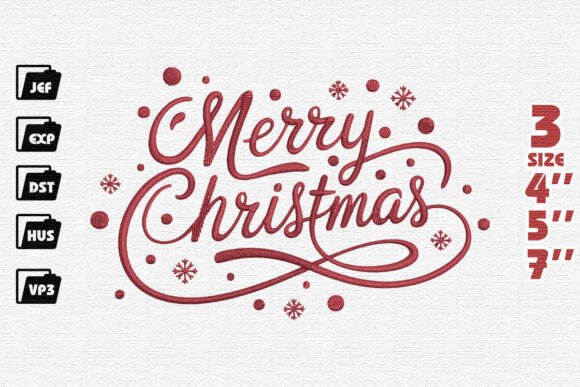
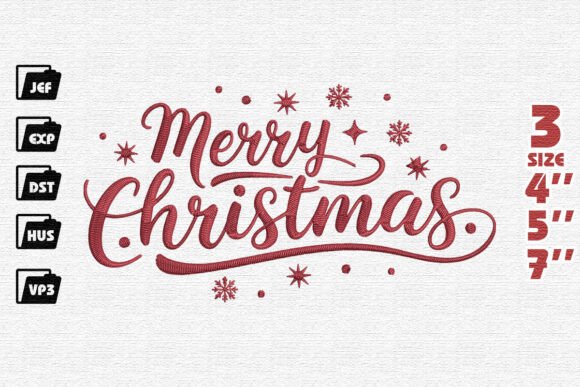
The first thing that strikes you about this design is its balance. It avoids the cluttered, overly complex geometry that often plagues snowflake patterns. Instead, it offers a clean, recognizable silhouette that reads well from a distance. The mood is undeniably cheerful but restrained, making it suitable for a wide demographic. It does not scream "holiday" in an aggressive way; rather, it whispers it, which is often more appealing for adults who want to participate in the season without wearing a cartoon character on their chest.
For embroidery designers, the layout is intuitive. The symmetry is precise, which is crucial for maintaining professional quality. When I viewed it in my digitizing software, the pathing looked logical, suggesting that the original digitizer understood the mechanics of machine movement. This is a critical detail that separates amateur files from professional-grade machine embroidery design assets. A well-pathed design reduces jump stitches and minimizes thread trimming, saving you time during production.
Real-World Application: From Sweatshirts to Tote Bags
To truly evaluate a design, you must stitch it out. I decided to test this pattern on two very different substrates: a heavy cotton fleece sweatshirt and a lightweight canvas tote bag. The results were telling.
On the sweatshirt, the design held its shape beautifully. The sweatshirt embroidery market is huge during the fourth quarter, and customers are looking for items that feel premium. The snowflake provided a nice focal point on the left chest area. Because the design is not overly dense, it did not create a stiff, cardboard-like patch on the soft fleece. It remained flexible and comfortable, which is a key selling point for wearable items.
Switching to the canvas tote, the dynamic changed slightly. Here, the crisp lines of the snowflake stood out against the textured weave of the fabric. This demonstrated the design’s versatility as a tote bag design. For Etsy sellers and small shop owners, this means you can offer the same digital asset across multiple product lines without needing to significantly alter the file. Whether you are creating handmade product listings for kitchen towels or custom apparel, the visual consistency helps build brand recognition.
Navigating Fabric Challenges and Stitch Density
While the design performs well on standard materials, there are areas where caution is required. Any experienced embroiderer knows that stitch density is the enemy of stretchy fabrics. If you plan to use this on a thin jersey t-shirt or a delicate baby onesie, you must be strategic. I recommend using a high-quality cut-away stabilizer to prevent distortion. The design includes some finer details that could pull on loose-knit fabrics if not properly supported.
Additionally, consider the hoop size relative to the placement. While the snowflake itself is compact, placing it too close to a seam or a curved surface like a cap brim can cause registration issues. For embroidered patch creation, this design works exceptionally well because the edges are clean and easy to satin stitch around if you choose to add a border. However, if you are stitching directly onto a curved surface like a baseball cap, ensure your hooping technique is flawless to avoid shifting.
Dark fabrics present another consideration. The design relies on contrast. If you are stitching white thread on black fabric, the visibility is high. But if you are using metallic or light pastel threads on dark backgrounds, ensure your thread colors have enough brightness to pop. I always advise testing a sample on scrap fabric of the exact color you intend to sell. This simple step prevents costly mistakes and ensures your finished product meets customer expectations.
Commercial Viability and Brand Consistency
For those running a craft business, the commercial viability of a design is paramount. This snowflake motif fits seamlessly into a boutique aesthetic. It is not so generic that it feels mass-produced, yet it is familiar enough to be instantly recognizable as a holiday item. This balance is rare and valuable. It allows you to create personalized gift options that feel thoughtful and curated.
When creating printable mockup images for your online store, this design photographs well. Its clean lines translate effectively into digital previews, helping potential buyers visualize the final item. For Etsy seller accounts, having a cohesive look across your listings increases trust. Using a consistent style of holiday embroidery helps customers understand your brand identity. This design supports that goal by being adaptable yet distinct.
Practical Designer Notes for Best Results
Before you commit to a large production run, keep these practical tips in mind:
- Test on Scrap Fabric: Always stitch a sample on the exact fabric type and weight you plan to use. This reveals any tension issues or puckering before you ruin a saleable item.
- Check Thread Contrast: Ensure your thread choice provides sufficient contrast against the background fabric. Metallic threads can be tricky; test them first to ensure they do not shred or break.
- Review Stitch Density: If the design feels too stiff on lighter fabrics, consider reducing the density in your editing software if you have the skills, or switch to a lighter weight stabilizer.
- Confirm Hoop Size: Verify that the design fits comfortably within your machine’s hoop, leaving enough margin for secure hooping.
- Inspect Small Details: Zoom in on the digitized file to check for any tiny, isolated stitches that might cause thread nests or breaks.
- Licensing Verification: Since this is a digital embroidery file, always confirm the license terms. Ensure you are allowed to sell finished physical items made with the design. Most designers allow this, but restrictions on reselling the digital file itself are standard.
In conclusion, the Merry Christmas Snowflakes Embroidery design is a solid addition to any seasonal library. It bridges the gap between festive fun and professional polish. For makers, designers, and small business owners, it offers the reliability needed for commercial projects while retaining the charm that makes handmade items special. By respecting the technical requirements of fabric and stabilizer, you can leverage this design to create products that customers will love and keep for years to come.