Reviewing the Best Dad Ever Embroidery Design
As an embroidery designer who has spent countless hours hunched over hoops and navigating the chaotic energy of weekend craft fairs, I know that not every digital file translates into a bestseller. When I first loaded the Best Dad Ever Embroidery Machine Design into my software, I was looking for more than just cute aesthetics. I was evaluating its potential as a high-converting craft fair product. This review breaks down how this specific machine embroidery design performs in the real world, from the stitching phase to the final sale at a bustling handmade market.
First Impressions and Visual Appeal
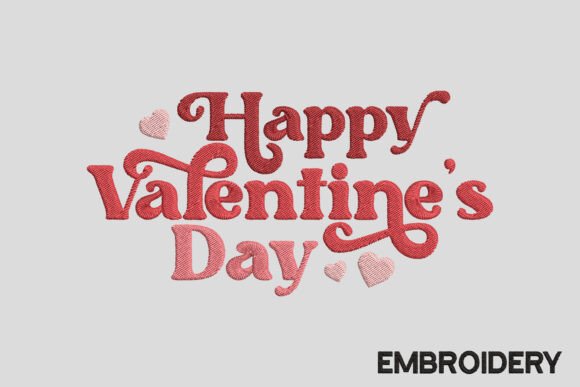
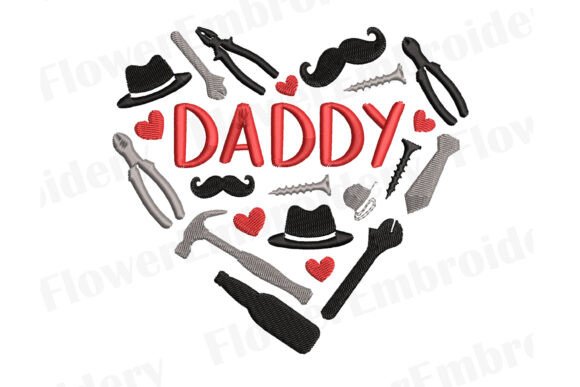
The immediate impression of the Best Dad Ever Embroidery Machine Design is one of approachable warmth. It does not try to be overly complex or abstract. Instead, it leans into a classic, celebratory vibe that resonates deeply with the Father S Day shopping demographic. For a handmade product to sell quickly at a booth, it needs to be understood at a glance. This design achieves that balance. It feels festive yet timeless, avoiding trends that might look dated in a year. The lettering is bold enough to read from three feet away, which is crucial when customers are walking past your table. It strikes a tone that is both humorous and heartfelt, making it a safe yet engaging gift choice for spouses, children, and even grandparents buying for their sons.
Versatility Across Product Lines
One of the strongest assets of this digital embroidery file is its adaptability. In my experience, a design that only works on one type of fabric limits your inventory potential. Here is how I see this design performing across various small shop product categories:
- Tote Bag Design: This is perhaps the strongest application. A canvas tote with this apron embroidery style graphic becomes an instant utility item. Dads love practical gifts, and a sturdy bag they can use for groceries or tools adds perceived value.
- Tea Towel Embroidery: Kitchen textiles are staple sellers. The design’s colorful look pops against white or neutral linen towels. However, you must ensure the stitch density is appropriate for thinner fabrics to prevent puckering.
- Embroidered Patch: Creating iron-on or sew-on patches allows you to sell the design as an accessory. Customers can buy the patch to customize their own jackets or hats, expanding your reach without needing to stock finished apparel in every size.
- Apparel and Caps: While effective on t-shirts, curved surfaces like caps require careful hooping. The design works well here, but you must check if the width fits standard cap frames without distortion.
Production Practicality for Batch Selling
For any Etsy seller or boutique maker, time is money. The Best Dad Ever Embroidery Machine Design appears structured for efficiency. It does not seem to rely on microscopic details that frequently break needles or cause thread nests. This makes it ideal for batch production. When you are preparing for a fair, you need to churn out dozens of units. A design that runs smoothly on your machine reduces frustration and increases your profit margin. Furthermore, because it comes with multiple sizes, you can optimize your hoop usage. You might run four small designs on a single large hoop for patches, maximizing your machine’s runtime.
Photography is another critical factor. This design photographs exceptionally well for online listings. The clear lines and bold text create high contrast in photos, which helps your printable mockup images stand out in search results. Whether you are creating design assets for your website or physical tags for your booth, the clarity of the embroidery ensures your brand looks professional and polished.
Critical Technical Considerations
While the design is robust, no commercial embroidery file is foolproof. You must exercise caution with certain materials. If you are using thick, textured towels, ensure your stabilizer is cut-away rather than tear-away to support the weight of the stitches. Dense stitch areas can sometimes pull on lightweight fabrics, so always test on scrap material first. Additionally, if you plan to embroider on dark fabric, consider using a lighter thread color for the text to maintain readability, or add a satin stitch border to define the edges.
Another point of attention is the hoop size. Verify that the largest version of the design fits comfortably within your standard hoops without hitting the clamps. If the design is too close to the edge, you risk hoop marks on the finished product, which lowers the perceived quality. Always leave a margin of at least half an inch around the design for safety.
Enhancing Brand Consistency and Buyer Engagement
Using a consistent design theme like Best Dad Ever Embroidery Machine Design helps build brand recognition. If customers see this style on your tote bags, then again on your pillow covers, they begin to associate that aesthetic with your shop. This consistency strengthens your booth display, making it look curated rather than cluttered. Buyer engagement increases when products tell a cohesive story. This design supports that narrative by offering a unified look across different price points, from affordable patches to premium home decor items.
Designer Notes for Success
Before you commit to full production, follow these steps to ensure quality:
- Test on Scrap Fabric: Never skip this step. Check for thread breaks and tension issues.
- Check Thread Contrast: Ensure the thread colors you choose provide enough contrast against the fabric background for legibility.
- Review Spacing: Look closely at the lettering. If the letters are too close, they may merge during stitching, especially on textured fabrics.
- Confirm Commercial Licensing: The product description mentions it is a Happy Father’s Day Machine Embroidery Design suitable for various items. However, always double-check the specific license terms included with the embroidery file to ensure you are compliant when selling finished product items.
- Create Real Mockups: Do not rely solely on digital previews. Stitch one sample on each type of fabric you intend to sell to verify the final look.
In conclusion, the Best Dad Ever Embroidery Machine Design is a strong contender for any craft fair inventory. It balances emotional appeal with technical practicality. By paying attention to fabric choice, stabilizer type, and presentation, you can turn this digital asset into a reliable revenue stream for your handmade business. It is not just about stitching a phrase; it is about creating a tangible expression of appreciation that customers are eager to take home.