Reviewing the Dinosaur Embroidery Design for Real Projects
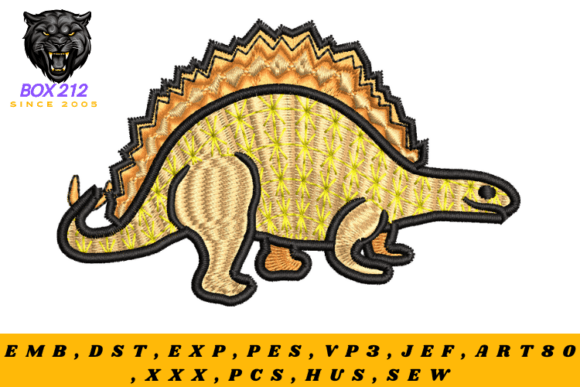
As a designer who has spent countless hours hooping fabric, testing tension, and analyzing stitch paths, I approach every new machine embroidery design with a critical eye. It is not enough for a pattern to look cute on a screen; it must hold up under the needle. Recently, I evaluated the Dinosaur Embroidery Design to determine its viability for client work and small business inventory. This is not just a digital asset; it is a potential centerpiece for a finished product that needs to withstand washing, wearing, and close inspection.
First Impressions and Visual Personality
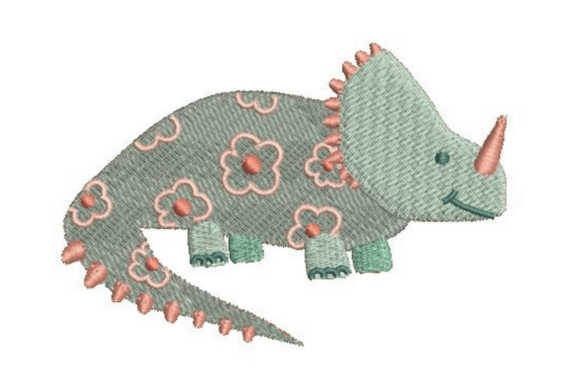
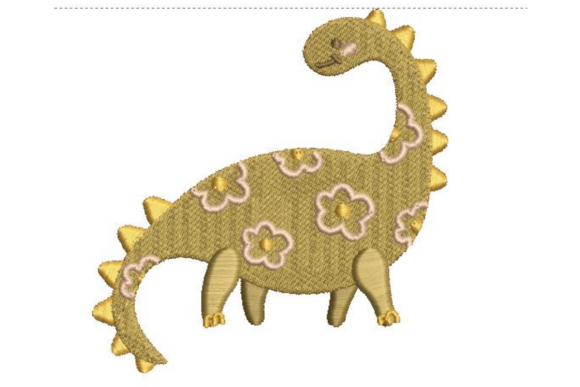
The first thing that strikes you about this pattern is its playful yet detailed nature. In a market saturated with generic clipart-style motifs, this design offers a charming personality that feels intentional. The layout balances whimsy with structural integrity. For embroidery designers, this is crucial. A design that is too loose lacks impact, while one that is too dense can puckers fabric. This particular motif sits in a sweet spot, suggesting a mix of satin stitch borders for definition and fill stitch areas for body.
The mood is distinctly prehistoric but approachable. It does not lean into scary or overly realistic territory, which makes it versatile. It naturally belongs to projects aimed at children, nostalgic adults, or anyone appreciating a touch of humor in their accessories. When I visualized this on a mockup, it did not feel like an afterthought. It felt like a deliberate design choice that could anchor a whole garment.
Real-World Application: The Custom Tote Bag Test
To truly understand how an embroidery file performs, you must imagine it on a specific substrate. I envisioned using this design for a custom canvas tote bag, a staple item for many Etsy sellers and craft fair vendors. Canvas provides a stable base, allowing the stitches to sit flat without sinking into the weave.
In this scenario, the dinosaur becomes the focal point. If I were producing this for a small shop product, I would pair it with bold, contrasting thread colors. Imagine a deep forest green dinosaur on a natural beige canvas. The detail level allows for subtle shading, which adds depth and makes the handmade product feel premium. Customers often equate stitch complexity with value. A design that looks flat or sparse can make a $30 tote feel like a $10 impulse buy. This design, with its balanced density, supports a higher price point because it looks substantial.
Versatility Across Product Lines
Beyond totes, this pattern shows promise in several other categories. For custom apparel, such as a child’s sweatshirt, the design needs to be soft against the skin. Here, the backing and stabilizer choice becomes critical. On a fleece or cotton blend, the stitch density must be managed to prevent stiffness. If the design is too dense, it creates a hard patch that might irritate a child’s neck or chest area.
For baby embroidery projects, such as onesies or burp cloths, scale is everything. You must verify the hoop size compatibility before purchasing. If the design is large, it may need to be resized, which can distort fine details. However, if the original file is optimized for a standard 4x4 or 5x7 hoop, it fits perfectly on infant garments. The playful theme aligns well with nursery decor, making it suitable for pillow covers or blanket accents.
Consider also the embroidered patch market. Patches are trending, and a well-digitized dinosaur can be stitched out on twill, cut, and heat-pressed onto hats or jackets. This extends the life of the digital embroidery file beyond single-use garments, offering customers a way to customize existing wardrobe items.
Technical Considerations and Fabric Challenges
While the design is charming, practical application requires caution. Not all fabrics behave the same. On textured fabrics like terry cloth or heavy linen, small details can get lost. The running stitch elements, if present in the outline, might disappear into the pile. In such cases, increasing the stitch width slightly or choosing a high-contrast thread color can help maintain visibility.
Stretchy fabrics pose another challenge. If you plan to use this on a t-shirt, you must use a cut-away stabilizer to prevent distortion. The weight of the stitches can pull the fabric, causing the dinosaur to look warped after washing. Always test on scrap fabric first. This is non-negotiable for professional results. Check how the threads interact with the material. Does the thread colors bleed? Does the fabric pucker around the edges?
Dark fabrics require special attention. If stitching a light-colored dinosaur on a black hoodie, you may need an underlay stitch to prevent the dark fabric from showing through the lighter top stitches. This is a common issue in commercial embroidery that can ruin the aesthetic if not addressed during the digitizing or setup phase.
Enhancing Brand Consistency and Customer Trust
For craft business owners, consistency is key. Using a high-quality design like this helps build brand recognition. When customers see clean, well-executed stitches, they trust the maker. Sloppy embroidery, caused by poor file quality or improper setup, erodes that trust. This design, when executed correctly, contributes to a professional presentation.
It also works well for holiday embroidery or themed collections. Imagine a series of prehistoric friends for a birthday party favor or a back-to-school collection. The versatility allows for creative marketing. You can create printable mockup images showing the design on various products, helping customers visualize the end result before they buy.
Practical Designer Notes for Best Results
- Test Before Production: Always stitch a sample on the actual fabric you intend to use. Check for thread breaks, nesting, or registration issues.
- Check Licensing: Before selling finished items or using the design in commercial products, confirm the license terms. Some files are for personal use only, while others allow small business sales.
- Stabilizer Selection: Match the stabilizer to the fabric. Use tear-away for stable woven fabrics and cut-away for knits or stretchy materials.
- Thread Contrast: Ensure your thread colors stand out against the fabric. A low-contrast combination can make the detailed features of the dinosaur invisible from a distance.
- Hoop Size Verification: Confirm the design dimensions fit your machine’s hoop. Do not assume; measure the actual stitch area.
In conclusion, the Dinosaur Embroidery Design is a strong contender for makers looking to add character to their products. It bridges the gap between fun and professional, provided it is handled with technical care. By understanding the interplay between stitch density, fabric texture, and stabilizer choice, you can transform this digital asset into a high-value finished product that delights customers and strengthens your brand.