Skull Face Embroidery Design Review
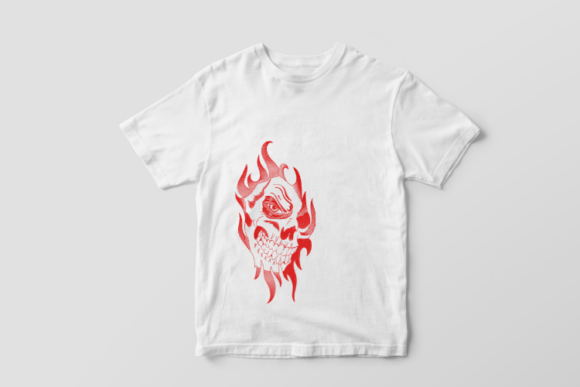
As a designer who has spent countless hours hooped up at the machine, I have learned that not every digital file translates well into thread. Some designs look stunning on a screen but turn into a tangled mess of bird’s nests and broken needles on fabric. When I first loaded the Skull Face Embroidery Design into my software, I was looking for more than just a spooky motif; I was looking for structural integrity and visual clarity. This review breaks down how this specific design holds up in real-world production, from small shop merchandise to high-end custom apparel.
First Impressions and Visual Personality
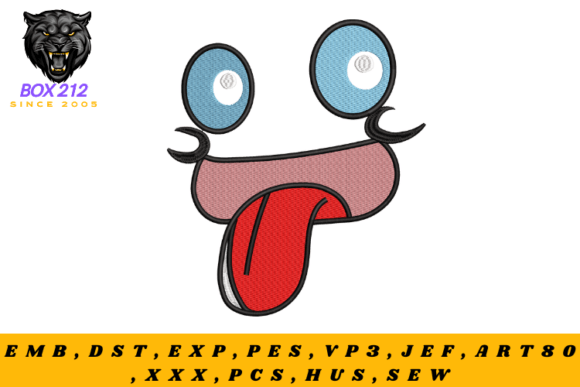
The immediate mood of this design is playful rather than terrifying. It captures the essence of "spooky season" without being overly graphic or aggressive, which significantly broadens its market appeal. The layout relies on clean lines and balanced negative space, which is crucial for embroidery. Unlike complex illustrations that require thousands of stitches, this skull face uses shape and contrast to define its character. This simplicity is a strength. It means the design can scale reasonably well without losing its identity, provided you respect the limits of your hoop size and needle precision.
For an Etsy seller or craft business owner, this visual personality is gold. It fits seamlessly into the modern farmhouse aesthetic, the gothic-lite trend, and even children’s Halloween collections. It does not scream "cheap novelty"; instead, it feels like a curated design asset that adds value to a blank garment.
Real-World Application: The Tote Bag Test
To truly evaluate a machine embroidery design, you must put it on a challenging surface. I chose a heavy canvas tote bag for my primary test. Canvas is forgiving regarding stability but tough on needles if the stitch density is too high. I paired the skull design with a bold, contrasting thread color to ensure the details popped against the natural fiber texture.
The result was impressive. The design sat flat on the fabric, with no significant puckering. This suggests that the underlying digitizing manages stitch density effectively. For a tote bag design, durability is key. Customers will throw these bags in the wash, toss them in car trunks, and overload them with groceries. The clean edges of the skull face held up well, indicating that the satin or fill stitches were properly anchored. If you are creating small shop products for fall markets, this design offers the kind of professional finish that builds customer trust.
Versatility Across Product Lines
Beyond totes, I considered how this file would perform on other common items. For sweatshirt embroidery, the design works beautifully on the chest or sleeve. The softer fabric of a fleece or cotton blend requires careful attention to stabilizer choice, but the open nature of the skull’s features allows the fabric texture to breathe through the stitching. This prevents that stiff, cardboard-like feel that cheap embroidery often has.
It also translates well to embroidered patch creation. If you are making iron-on or sew-on patches for jackets, this design’s bold outlines ensure it remains legible even at smaller sizes. However, if you are planning to use it on baby embroidery items, proceed with caution. While the theme is cute, ensure the thread colors are soft and the backing is completely removed or trimmed to avoid irritating sensitive skin. Always prioritize comfort over aesthetics when dealing with infant garments.
Technical Considerations and Fabric Challenges
No design is universal. There are specific scenarios where you need to exercise judgment before hitting the start button. If you are working with thin fabric like silk or lightweight rayon, the weight of the thread might cause distortion. In these cases, using a cut-away stabilizer is non-negotiable. Similarly, on stretchy fabric like jersey knits for t-shirts, you must hoop firmly and consider using a water-soluble topping to prevent the stitches from sinking into the pile or stretch marks from forming around the design.
Curved surfaces, such as caps, present another challenge. The skull face has a relatively symmetrical structure, which helps, but you must center it perfectly. Any slight misalignment on a cap is immediately noticeable to the buyer. I recommend doing a test run on a scrap piece of similar material to check registration. Also, be mindful of dark fabric. If you are stitching white thread on black cotton, you may need to adjust your tension or use a slightly thicker thread to ensure coverage without excessive density.
Enhancing Brand Value and Customer Engagement
From a business perspective, the right embroidery file can elevate your brand. This skull design feels intentional and stylish. When customers see a well-executed embroidered item, they perceive higher value compared to printed graphics. It signals that time and skill went into the finished product. This perception allows for higher price points and better margins for commercial embroidery projects.
Furthermore, this design is highly shareable on social media. A close-up shot of the texture and thread sheen on a personalized gift or holiday embroidery project performs well on platforms like Instagram and Pinterest. It invites engagement because people appreciate the tactile quality of handmade goods. Whether you are selling digital embroidery file versions for other makers or finished custom apparel, the visual appeal drives clicks and sales.
Practical Designer Notes for Best Results
Before you commit to a large production run, keep these practical tips in mind:
- Test on Scrap Fabric: Always stitch out a sample on the exact material you plan to use. Check for puckering, thread breaks, and color accuracy.
- Check Thread Contrast: View your design in black and white on your computer screen. If the details disappear in grayscale, they may get lost on certain fabric backgrounds.
- Verify Licensing: If you are an Etsy seller or run a boutique, confirm the license terms of the digital file. Ensure you have commercial rights to sell finished items made with this design.
- Inspect Small Details: Zoom in on the digitized file. Look for unnecessary jump stitches or dense clusters that could cause needle heat or breakage.
- Use Proper Stabilizer: Match your stabilizer to your fabric. Tear-away for stable woven fabrics, cut-away for knits, and water-soluble for delicate or piled fabrics.
In conclusion, the Skull Face Embroidery Design is a versatile and well-digitized option for autumn and Halloween projects. It balances aesthetic charm with technical practicality, making it suitable for a wide range of applications from appliance decor to apparel decorators looking for fresh inventory. By respecting the material constraints and following best practices for stabilization and thread selection, you can produce high-quality items that delight customers and strengthen your brand reputation.