Heart Tree Embroidery: A Designer’s Review for Craft Fair Success
As an embroidery designer who has spent countless weekends behind a booth table, I know that not every design translates well from the screen to the sales floor. When I first loaded the Heart Tree Embroidery design into my software, I was looking for more than just aesthetic appeal. I was evaluating its potential as a high-converting craft fair product. This review breaks down how this specific motif performs in real-world applications, focusing on what matters most to Etsy sellers, boutique makers, and creative entrepreneurs: visual impact, production efficiency, and customer engagement.
First Impressions and Visual Appeal
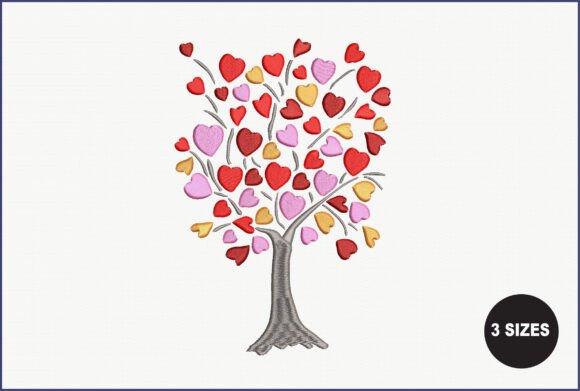
The initial glance at the Heart Tree Embroidery reveals a design that strikes a delicate balance between whimsical and structured. It does not feel overly rustic or strictly modern; instead, it occupies a sweet spot that appeals to a broad demographic. The concept of a tree formed by hearts suggests growth, love, and connection, making it inherently suitable for Valentine S Day collections, yet versatile enough for year-round home decor.
For a handmade shop owner, clarity is crucial. Customers walking past a booth have only seconds to register what they are seeing. This design reads clearly from a distance. The silhouette of the tree is recognizable, while the heart details provide the intricate texture that signals "handmade quality" rather than mass-produced printing. It feels decorative and premium, especially when executed with high-sheen threads against matte fabrics.
Product Versatility and Market Fit
The true test of any machine embroidery design is its adaptability. Based on the description, this design is intended for pillows, towels, apparel, and home decor. In my experience preparing for a weekend market, here is how it performs across different items:
- Tote Bag Design: This is perhaps the strongest application. A medium-sized hoop placement on a canvas tote creates an instant bestseller. The design is large enough to be a focal point but not so dense that it weighs down the bag.
- Apron Embroidery: Placing the tree on the bib of a kitchen apron adds a charming, personalized touch. It appeals to customers looking for thoughtful gifts for hosts or cooks.
- Tea Towel Embroidery: Here, caution is required. While lovely, the design must be scaled correctly to avoid bunching on thinner linen. It works best as a corner accent rather than a center piece on standard towels.
- Embroidered Patch: If the file allows for scaling down without losing detail, this makes an excellent iron-on patch. Patches are low-cost, high-margin items that draw people to your table.
- Pillow Covers: A large-scale version on a neutral pillow cover creates a sophisticated look that elevates the perceived value of the finished product.
For digital sellers and those creating printable mockup assets, this design photographs beautifully. The organic shapes of the hearts within the tree structure catch light differently than solid blocks of color, adding depth to online listings for Etsy sellers.
Production Practicality for Small Shop Owners
When running a small shop product line, repeatability is key. You need designs that can be batched efficiently. The Heart Tree Embroidery appears to lend itself well to this workflow. However, there are critical technical considerations to address before committing to a full production run.
First, consider the stitch density. Designs with many small elements, like individual hearts forming a larger shape, can sometimes become dense. High density on thick fabric like denim or canvas requires a heavy-duty needle and robust stabilizer. On textured towels, you must ensure the stitches do not sink into the pile, which would obscure the heart details. Using a cut-away stabilizer is often safer for apparel that will be washed frequently, ensuring the design remains crisp over time.
Second, evaluate the thread colors. This design relies on a "colorful look," as noted in the description. To maintain brand consistency, choose a palette that complements your existing inventory. For Valentine S Day themes, reds and pinks are obvious, but testing earth tones or pastels can extend the product's shelf life beyond February. Always check thread contrast against your base fabric. A dark thread on dark fabric will vanish, while a light thread on white may lack definition.
Technical Considerations and Careful-Use Notes
Before selling any commercial embroidery item, you must perform due diligence. The product description mentions that the digital embroidery file comes with multiple formats, but it cuts off before specifying exact details. As a professional, I advise you to verify the following before purchase or production:
- Hoop Size Compatibility: Confirm the maximum dimensions of the design. Does it fit your standard 5x7 or 6x10 hoop? If it requires a larger hoop, factor that into your pricing and material costs.
- Stitch Count and Density: Check the stitch count in your software. Higher stitch counts mean longer machine run times, which directly impacts your labor cost per unit.
- Small Details: Zoom in on the smallest hearts. If they are too tiny, they may not stitch out cleanly on curved surfaces like caps or on stretchy fabrics. Test on scrap fabric first.
- Commercial Licensing: Ensure the license terms allow for the sale of finished physical products. Most designers allow this, but restrictions on digital resale are common. Never assume; always read the license included with the design assets.
Additionally, be mindful of fabric texture. On highly textured materials like waffle weave or terry cloth, fine details can get lost. For these items, consider using a water-soluble topping to keep stitches floating above the texture, ensuring the heart shapes remain distinct.
Boosting Booth Display and Buyer Engagement
In a crowded craft fair environment, your booth display must stop traffic. The Heart Tree Embroidery serves as an excellent anchor for your visual merchandising. Because the theme is universally positive, it invites conversation. Customers often ask about the meaning behind the design, giving you an opportunity to share your process and build a connection.
To maximize engagement, create a cohesive display. Group items featuring this design together—a "Heart Tree Collection." Include a mix of price points: a high-ticket embroidered pillow, mid-range tote bags, and impulse-buy patches or coasters. This tiered approach ensures that visitors who love the design but have budget constraints can still make a purchase.
Furthermore, use this design to strengthen your brand identity. If your brand focuses on love, nature, or handmade warmth, this motif reinforces that message. Consistency in your finished product lineup helps customers remember you after they leave the fair.
Final Verdict for Creative Entrepreneurs
The Heart Tree Embroidery is a strong contender for any embroidery business owner looking to expand their Valentine S Day or general gift offerings. It offers the right blend of visual charm and production feasibility. By carefully selecting fabrics, managing stitch density, and verifying file specifications, you can transform this embroidery file into a profitable line of handmade products.
Remember to test extensively on your specific machine and materials. Create at least one real mockup to photograph for your online store. With the right execution, this design can become a staple in your repertoire, driving sales both at local markets and through your digital storefronts. Embrace the colorful look, respect the technical requirements, and let your craftsmanship shine through every stitch.